
What is Industrial Electricity?
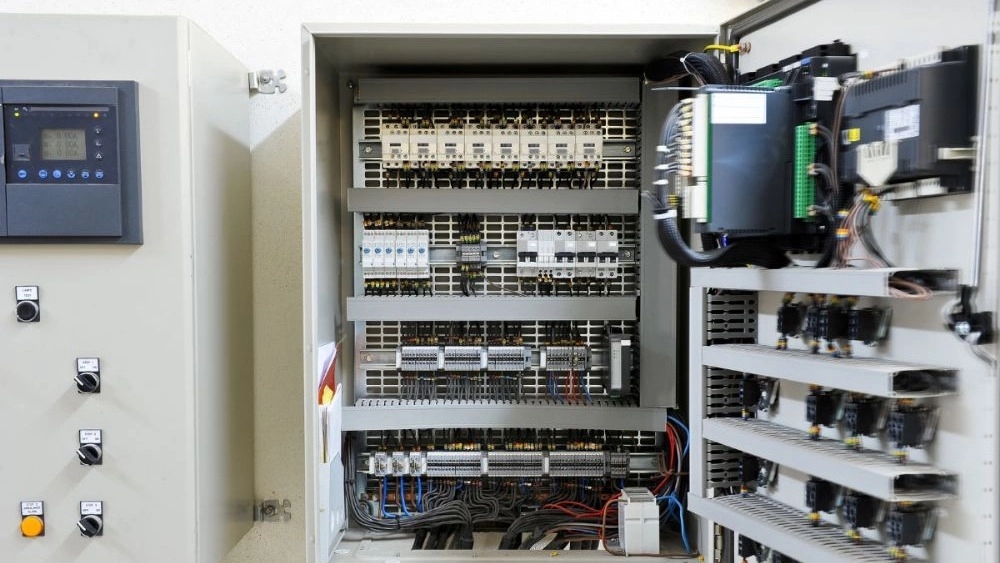
Industrial Electricity is a branch of electrical technology and knowledge that refers to the industry of production, transmission and consumption of electrical energy. Numerous electrical equipments have been designed and produced in these three fields, and familiarity with these equipments and how to use them is necessary for those who are active in the field of industrial electricity, including the widely used equipment in the electrical industry, automatic or compact circuit breakers (MCCB), power switches, and generators. Circuit breakers, disconnectors, electric drives and industrial controllers can be mentioned. The difference between domestic and industrial consumers is that in consumers, the level of voltage and current is higher and the frequency value is variable, and due to the sensitivity and dangers of industrial environments, more and more advanced safety and protection equipment should be used. Therefore, industrial electricity is more complicated than industrial electricity and requires more expertise.
Electricity production is done in power plants, and the process of producing electricity requires familiarity with electrical and electromechanical equipment and systems. Another part of the electricity industry is related to the design, implementation and operation of the transmission and distribution network, which is very important in the quality and stability of the network and the optimization and management of energy losses. Manufacturing and industrial plants in various industries such as automobile manufacturing, steel, petrochemical, oil and gas industries are the main consumers of electricity. Today, extensive expertise and technologies have been created in the field of effective use of electricity to start machines and monitor, control and safety of industrial processes.
Various fields of industrial electricity
The power grid is an interconnected system of producers and consumers, which are connected by transmission lines. In this system, the producers are the power plants, the transmission lines are the power stations, the airlines and other parts of the lines, and the consumers are the factories and industrial workshops.
Production of electricity
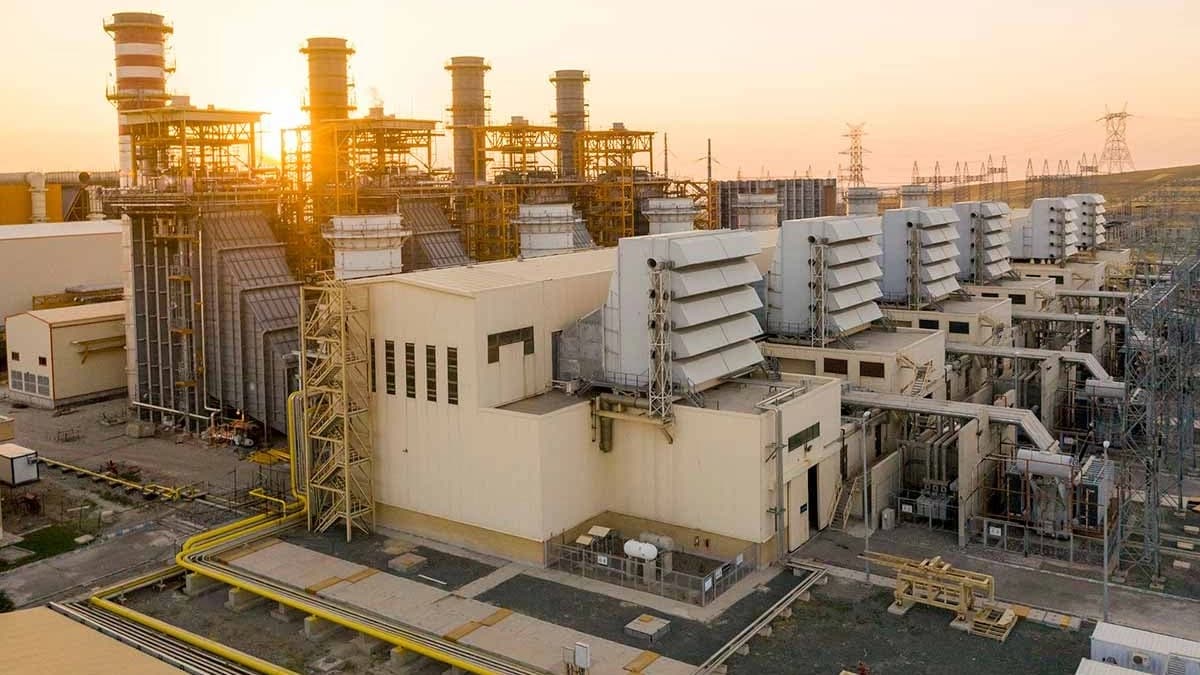
Power plants are the basic steps in the supply chain of electricity, which use different sources of energy to produce electricity. Electricity is produced in power plants. Thermal, hydroelectric, nuclear, and solar power plants are among the types of power plants that produce electrical energy using equipment such as turbines, electric generators, and solar cells.
Transmission and distribution of electricity
The role of transmission and distribution in the electricity supply chain is very important; Because these two stages are responsible for transferring electricity from production locations to consumption locations and improving the security, stability, and efficiency of the electricity supply system. Through optimizing technologies, continuous monitoring, and building appropriate infrastructure, these stages of the power chain can help improve the quality and efficiency of the power system.
High voltage electricity is used to transmit electrical energy; Because high voltage reduces losses in the transmission path. Now the important question is, how does this high voltage reach the consumers who need lower voltage? This is exactly where distribution substations come into play. In these substations, high voltages are converted to the voltages required by consumers in several stages using step-down transformers.
Power consumption in the industry
When we talk about industrial electricity consumption, it should be known that industrial electricity differs from domestic consumers in terms of characteristics such as voltage and current levels, working frequency and number of phases. These differences are due to the presence of industrial equipment such as electric motors, conveyors, industrial lighting, electric furnaces, boilers and many other equipment and devices used in the industry.
The importance of learning industrial electricity
The benefits of applying industrial electricity technology
Increasing productivity: using industrial electricity increases the productivity of production processes. By creating the possibility of automatic control of electrical systems and increasing their safety and improving their efficiency, industrial electricity technology increases the speed and quality of the performance of these systems and makes optimal use of equipment and human resources in industrial and production environments.
Reducing costs: Using electricity as an energy source usually has lower costs than other energy sources such as fossil fuels and gas. Also, by using correct and up-to-date technologies, maintenance and repair costs can be reduced.
Environmental protection: In the field of electricity production, the use of industrial electricity knowledge helps us to use renewable resources. Also, the design and application of appropriate and standard industrial electrical technology leads to better performance of equipment, optimization of electrical energy consumption in industrial processes and reduction of losses of raw materials, which reduces environmental pollution.
Stability and development ability: the use of modern industrial electrical capabilities, by helping the progress and productivity of the industry, has created sustainable development and economic prosperity, and by means of them, the needs of the society for services, goods and employment can be provided in a better way.
Safety: By using the knowledge of industrial electricity in the field of applying earth connection systems and protective equipment such as switches and fuses, the safety of systems, equipment, and people can be ensured in the process of producing, transmitting, and consuming electrical energy.
Different jobs in industrial electricity
Industrial electrical engineer: Industrial electrical engineers are responsible for the design, installation, commissioning, and maintenance of industrial electrical systems and equipment. This profession requires familiarity with skills such as the basics of electricity, control, precision instruments and mastery of electrical equipment and standards.
Industrial electrical technician: Industrial electrical technicians are responsible for installing, repairing, and maintaining industrial electrical equipment and devices. Familiarity with equipment, troubleshooting electrical circuits and map reading are skills required in this profession.
Electrical Project Manager: Electrical project managers are responsible for planning, controlling costs, managing teams, and executing industrial electrical projects. These jobs require high management and technical skills.
Industrial electrical consultant: Industrial electrical consultants help companies and organizations to choose the best solutions in various fields such as optimizing electrical systems, energy management, and industrial electrical safety.
Entrepreneurship and business in the field of industrial electricity: establishing companies that are active in the field of designing, manufacturing, repairing and selling electrical industrial equipment, can be lucrative jobs due to the growing market and constant need for electrical equipment.